


Beach Fishing is Heating Up!
The beach fishing on Vancouver Island has kicked into high gear! The rain last week has got the fish moving and fishing has been excellent. The rivers have some fish...
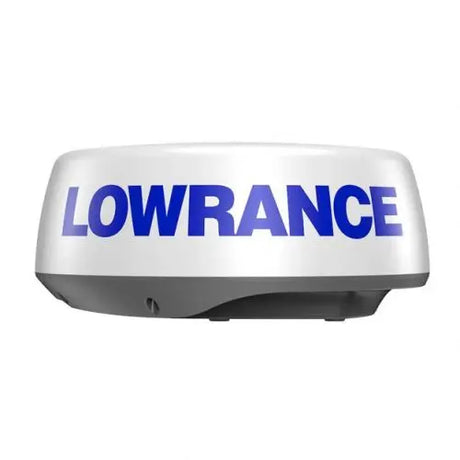
Lowrance
Lowrance Halo 20 – Compact 20” Marine Radar System

Lowrance Radar Frequently Asked Questions
Lowrance radar is used for navigation and collision avoidance, helping boaters detect other vessels, land, and obstacles in low visibility conditions such as fog, rain, or darkness.
Radar is especially useful for boaters navigating in coastal waters, busy channels, or poor visibility. It adds an extra layer of safety beyond GPS and chartplotters.
Yes, Lowrance radar systems are designed to integrate seamlessly with compatible Lowrance chartplotters, allowing you to overlay radar data directly on your navigation screen.
Dome radar is compact and ideal for smaller boats, while open array radar offers longer range and better target separation, making it better suited for larger vessels or offshore use.
Detection range depends on the model, but most Lowrance radar systems can detect targets from short range up to several nautical miles away.
Installation varies by setup, but many Lowrance radar units are designed for straightforward installation with compatible mounts and plug-and-play integration with existing electronics.
Yes, radar is specifically designed to perform in poor visibility conditions like fog, rain, and darkness, helping you navigate safely when visibility is limited.
Lowrance radar systems typically run on standard marine 12V systems, but exact power requirements depend on the model and should be checked before installation.
Great product fast shipping
good prices
Magnifique
Magnifique
Great delivery and service
Great shirt
My son got right on his birthday, it was very easy to purchase, excellent service, thank you!
Awesome reel, first Centerpin ever and it spins for a super long time, clicker is super strong for storage, and it got me 5 fish within 1 day of having it. Would recommend
Steve, is a asset to this company!! He was so very patient and took the time to explain the different reels and poles.
I have already made a second purchase and again the transaction went through Steve.
All future purchases will be though steve. I live in Washington and have to pay duty but it's well worth it. It's true you get what you pay for.
Please be sure to forward this to Steve so he continues to Awesome!!
Jamie Pearson
Have used this product for more than 25 years. Obviously works great for me. Would recommend to anyone.
The flasher should be good; I am waiting for the winter run of chinook before I put it to good use. I've had some good luck with Oki big shooter flashers in the past.
Great product. Applicator sturdy and well built.
The fit is comfortable and the reliability of the brand name Mustang says the rest. Very pleased with the overall feeling of wearing it and not feeling restricted while fishing. prawning and crabbing.
Work great
Very easy to install, no issues to date. Would certainly purchase again.
Excellent spoon
Well-stocked marine and fishing retailer with extensive product selection. Fast shipping, knowledgeable staff, and responsive customer service. Competitive pricing with frequent sales. Highly recommended by fishing enthusiasts and boaters across North America....
The beach fishing on Vancouver Island has kicked into high gear! The rain last week has got the fish moving and fishing has been excellent. The rivers have some fish...

With the change in weather beach fishing is heating up! This is my favorite time of year when the salmon stage at river and creek mouths, bringing fishing opportunities even...

Fishing for large Chinook has been excellent in Georgia Strait for the last week. Some of fish have moved in closer to shore, but the outer islands and rocks still...

It's that time of year that we see a lot of big mature Chinook in Georgia Strait, and better still we can retain them. There have been some absolute...

Big Chinook are showing up all around Vancouver Island right now. This is perfect timing as the slot size restrictions should end September 1st in some areas. Check your local...

The big Chinook are starting to make their way into the Alberni Canal. The photo above is from this weekend when Chandler Staff member Austin did well with Anchovies in...

The football fish have arrived! What is a football fish you ask? Basically it's a short fat salmon. It's more football shaped than lean and long. And they are ideal...

There have been a handful of halibut caught around the mid Island area in the last week. A couple near Thrasher Rock and some closer to Nanoose. While this is...

