






River Fishing Conditions are Perfect!
River Report Fishing conditions on most East Island river systems are looking excellent for the next while. There are still lot's of fresh Coho still heading up many rivers, and...
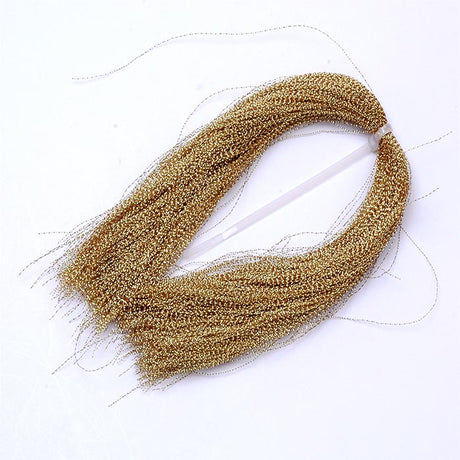
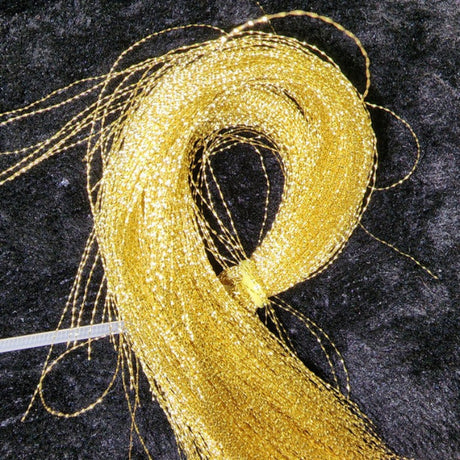
Hareline Midge Flash - Gold #153
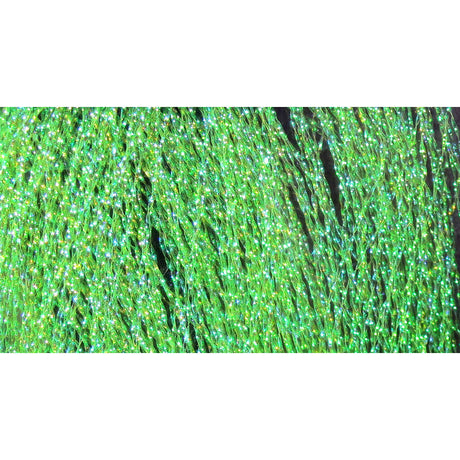
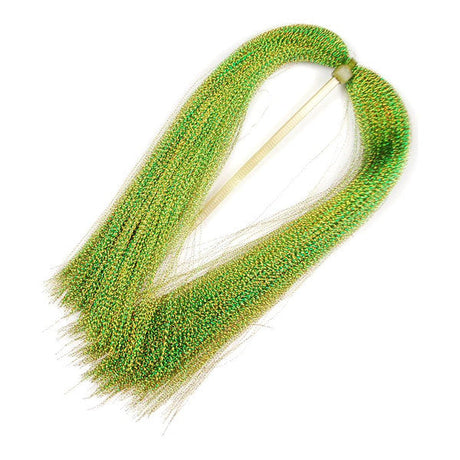
Hareline Midge Flash - Olive #263
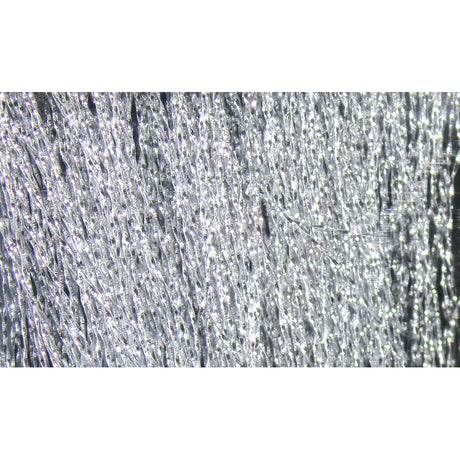
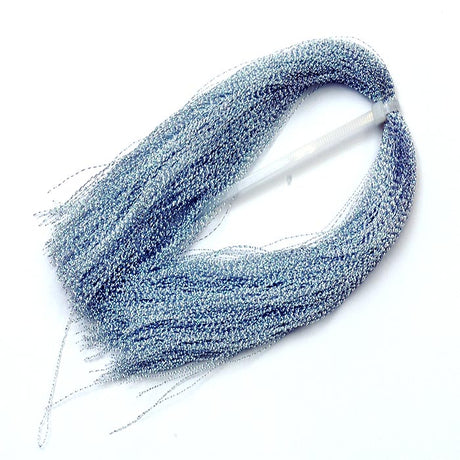
Hareline Midge Flash - Silver #344

Hareline Micro Rabbit Strips - Black #11
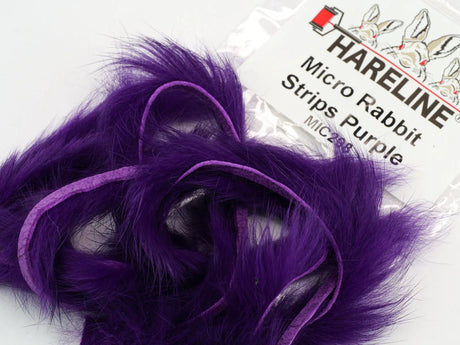
Hareline Micro Rabbit Strips - Purple #298
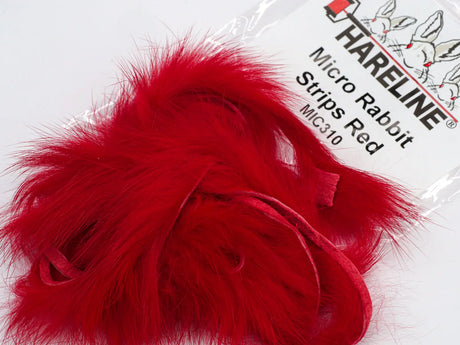
Hareline Micro Rabbit Strips - Red #310


Hareline Micro Rabbit Strips - Crawfish Orange #71
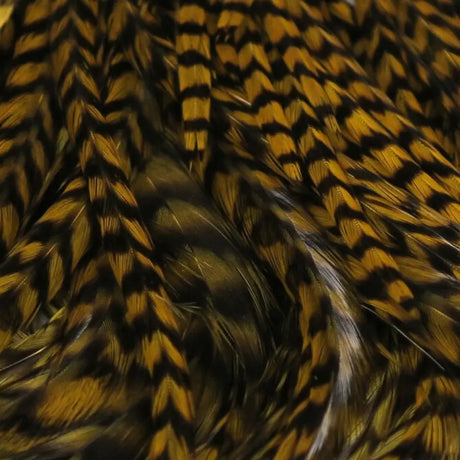
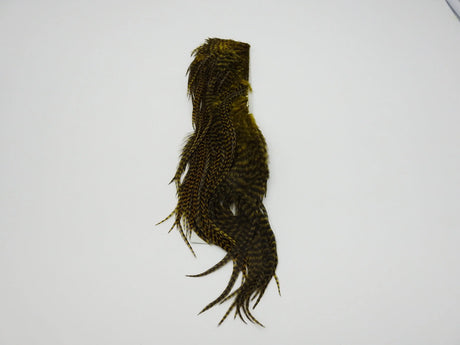
Hareline Half Grizzly Saddle - Olive #263
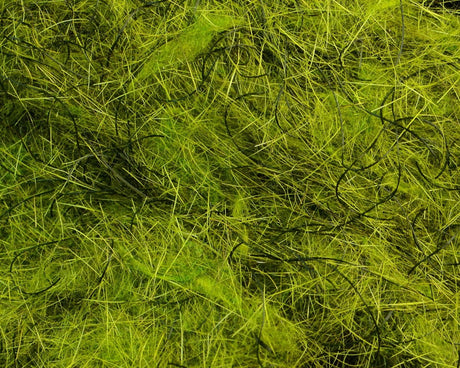
Hareline Hare'E Wiggle Dub - Olive #263
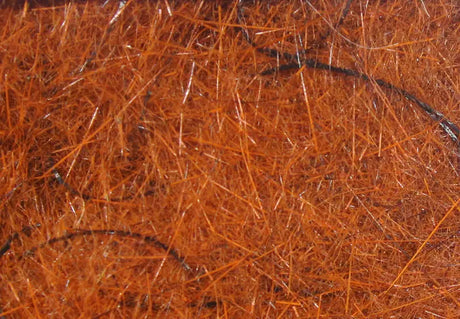
Hareline Hare'E Wiggle Dub - Rusty Orange #325
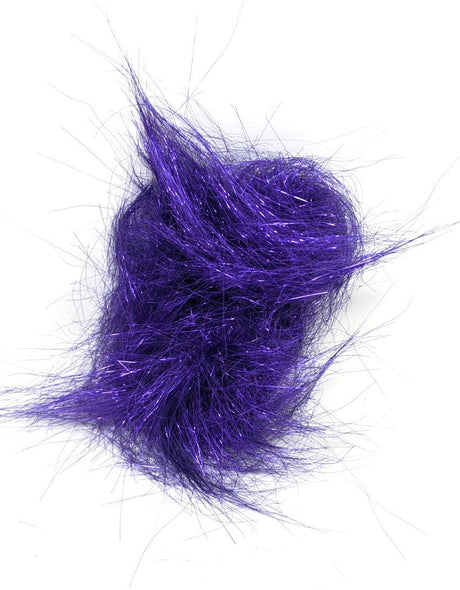
Hareline Ice Dub - Electric Purple #109

Hareline Ice Dub - Kingfisher Blue #199
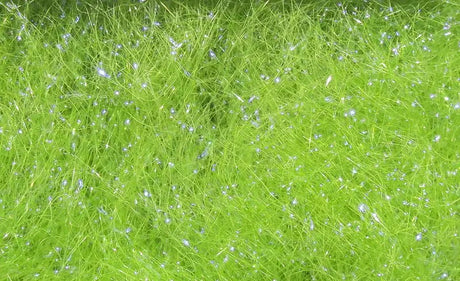
Hareline Ice Dub - UV Lt Olive #212

Hareline Krystal Flash - Fl. Shrimp Pink #04
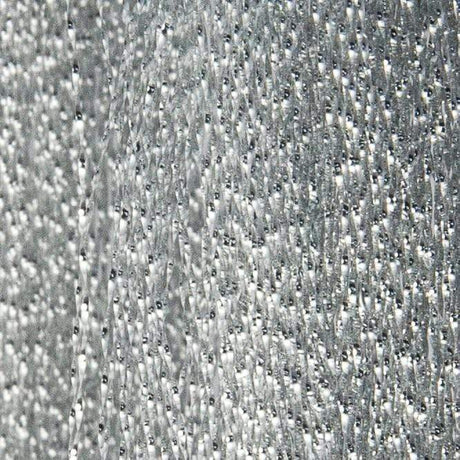
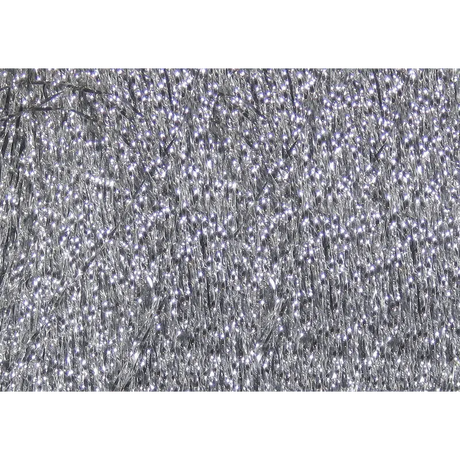
Hareline Krystal Flash - Silver #1
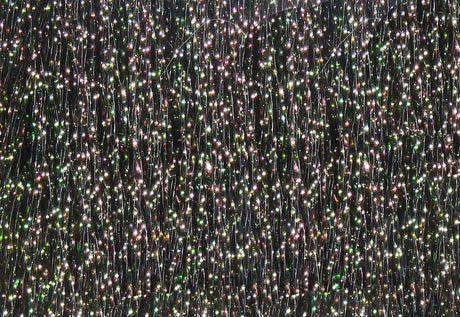
Hareline Krystal Flash - Black #15
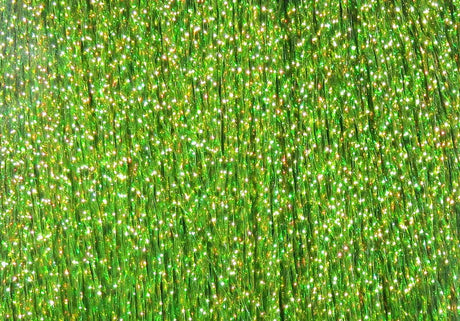
Hareline Krystal Flash - Peacock #17
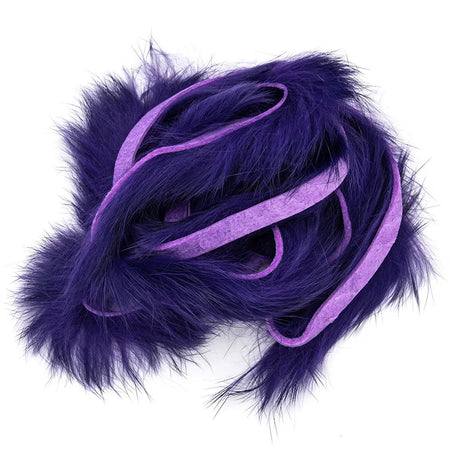
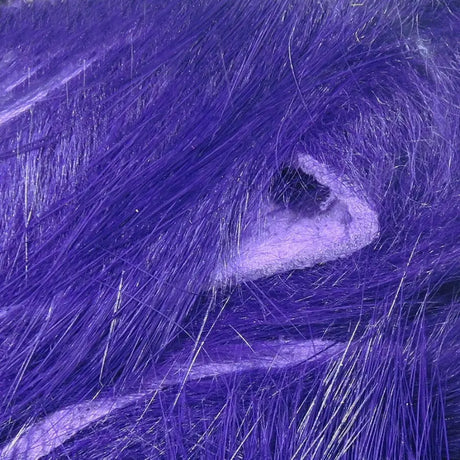
Hareline Magnum Rabbit Strips - Purple #298
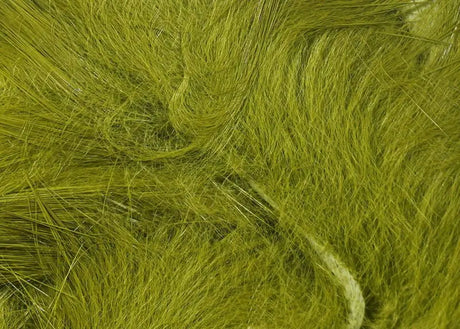
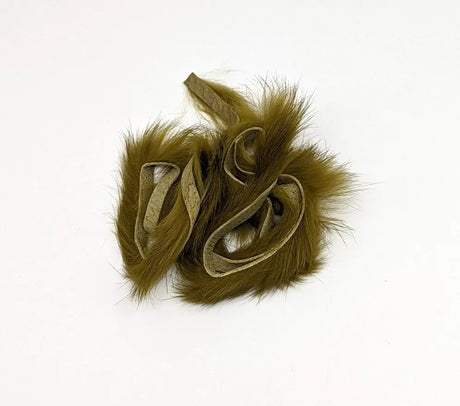
Hareline Magnum Rabbit Strips - Sculpin Olive #50
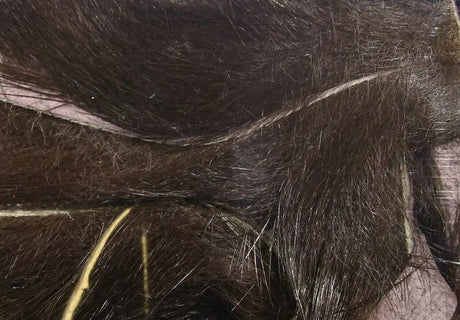
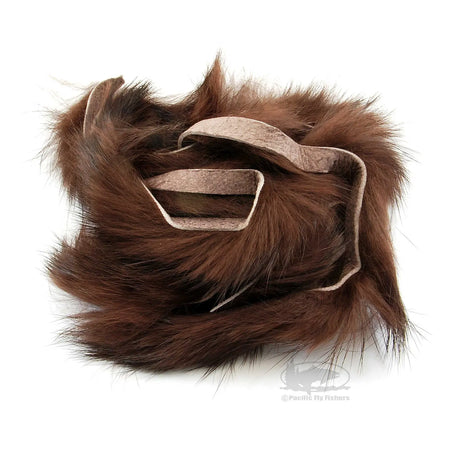
Hareline Magnum Rabbit Strips - Dark Brown #87
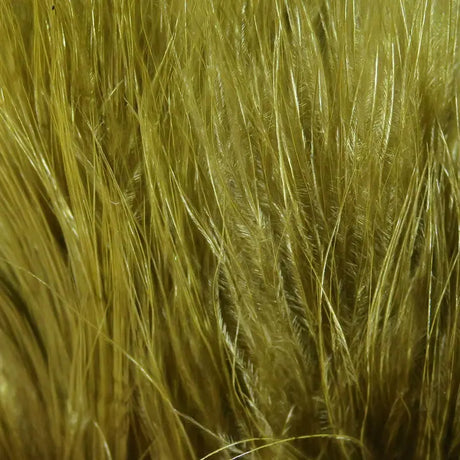
Hareline Marabou Strung Blood Quills - Olive #263
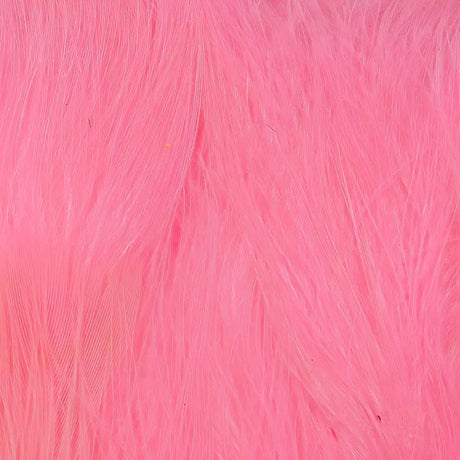
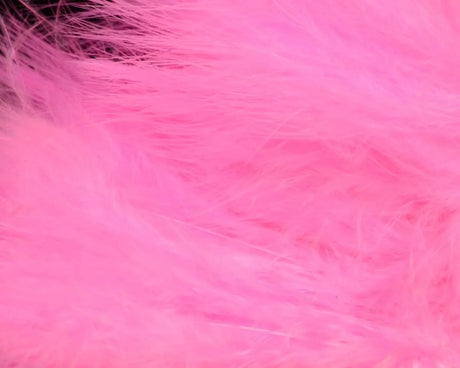
Hareline Marabou Strung Blood Quills - Pink #289
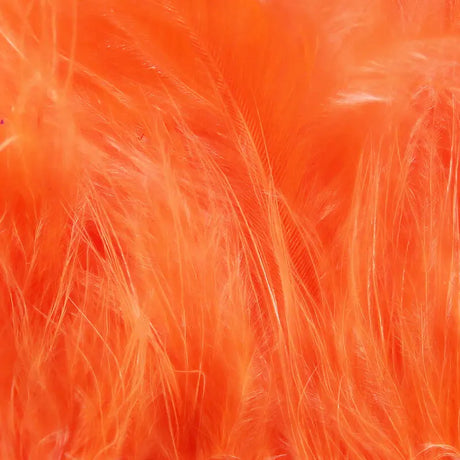
Hareline Marabou Strung Blood Quills - Shrimp Pink #341
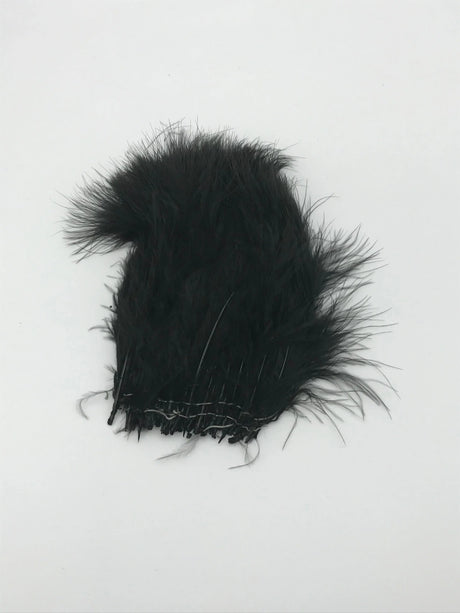
Hareline UV2 Marabou Feathers - Black Raven
Fly Tying Materials Frequently Asked Questions
Fly tying materials are the components used to create artificial fishing flies. These include feathers, fur, synthetic fibres, thread, hooks, beads, wire, and other materials used to imitate insects, baitfish, and other prey.
To start fly tying, you’ll need basic materials such as hooks, thread, dubbing, feathers or synthetics, and beads or wire. A fly tying kit or starter selection of materials is a great way to begin building your setup.
Common materials for trout flies include natural feathers, dubbing, fine thread, and small hooks. Materials that mimic local insects and match hatch conditions are key for success.
Dubbing is used to create the body of a fly. It can be made from natural or synthetic fibres and is designed to add texture, colour, and movement to imitate insects in the water.
Natural materials like feathers and fur offer realistic movement and appearance, while synthetic materials provide durability, brightness, and consistency. Many fly patterns use a combination of both.
Yes, freshwater fly tying typically uses smaller hooks and finer materials, while saltwater patterns often require larger hooks, stronger thread, and more durable synthetic materials to handle bigger fish and harsher conditions.
Fly tying hooks vary by size and style depending on the pattern and species. Smaller hooks are used for trout and panfish, while larger, stronger hooks are needed for salmon and saltwater species.
Most fly tying materials are used per fly, but leftover materials can be reused for future patterns. Proper storage helps keep materials in good condition for long-term use.
The Harbour Chandler carries a selection of fly tying materials including dubbing, feathers, thread, beads, and more, suited for freshwater and coastal fly fishing across Vancouver Island and beyond.
I have dealt with HC since we purchased our boat in 2006. Over the years the staff has provided sound advice and product knowledge, they have provided some very good deals that benefit the purchaser. A good experience every time I enter the store.
Kudo's to the staff that makes this a great place to shop.
René
Great quality and
Love this Canadian product. I own 4. Last well. Thermostat is excellent. Trust this heater to keep my boat from freezing.
Looks like a quality item. Time will tell!
Love it! 💯
Always have everything I'm looking for when doing maintenance or upgrades on my boat. The staff is very knowledgeable and helpful.
Great deal
I was frantically searching for a part needed to get the heat on in our motorhome. The proprietor didn't have what I needed, but was able to give directions to someone who did. The advice was free, and valuable! Thanks!
Excellent service ,Amazing reel at an affordable price .
Worked as advertised
I love fishpond products!
First rate help today from Steve Vavrik in the fishing tackle department. Amazing source of information on merits of various local areas for pursuing various saltwater species. Very humble and easy to chat with - much appreciated my conversation today.
Realized they were too small for Salmon fishing so we cut the hooks off & made them into nice earrings for my daughters - would sell like hotcakes @ Christmas
Works great bought 3 and used it for a daisy chain!
Strong -💪
Well-stocked marine and fishing retailer with extensive product selection. Fast shipping, knowledgeable staff, and responsive customer service. Competitive pricing with frequent sales. Highly recommended by fishing enthusiasts and boaters across North America....
River Report Fishing conditions on most East Island river systems are looking excellent for the next while. There are still lot's of fresh Coho still heading up many rivers, and...

The winter Chinook season is off to a great start in Georgia Strait. Fresh chrome winter (feeder) Chinook are showing up in their usual locations. These are generally found close...

For the last month I've been getting lots of really good prawning reports from all over Georgia Strait. The word is there are loads of prawns, and they are extra...

We are finally getting the needed rain to pull this years salmon into the rivers and stream. Every river system will now be loaded with fresh salmon and followed by...

River fishing was great this week, despite the low water. The forecasted rain kept getting delayed, but it's finally starting to arrive. This will cause a big push of fresh...

With some rain in the forecast river fishing is about to kick into high gear! It's been a dry fall so far, so while the saltwater salmon fishing season has...

With the nice weather conditions, our ocean salmon fishing is still going strong! Most salmon runs seem to be running a bit late this year, giving us extra time to...

The beach fishing on Vancouver Island has kicked into high gear! The rain last week has got the fish moving and fishing has been excellent. The rivers have some fish...


