Human-powered pleasure craft—like kayaks, canoes, SUPs, paddleboats, watercycles, and rowing shells—must carry specific safety gear under Transport Canada’s Small Vessel Regulations. Below is a clear checklist by craft type, plus the most important exceptions paddlers should know.
Paddleboats, Watercycles, SUPs & Sit-on-Top / Sealed-Hull Kayaks
These small craft often have sealed compartments or sit-on-top designs.
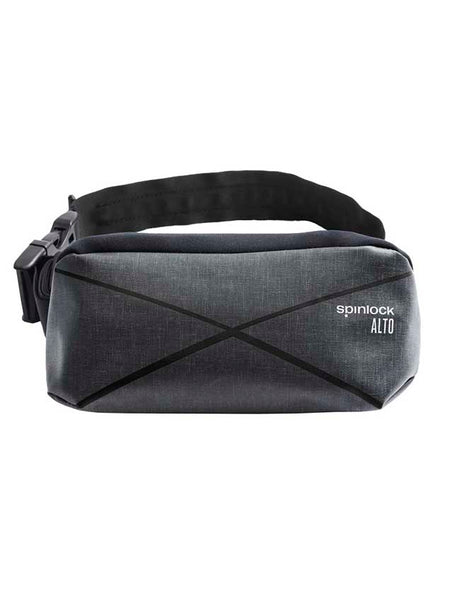
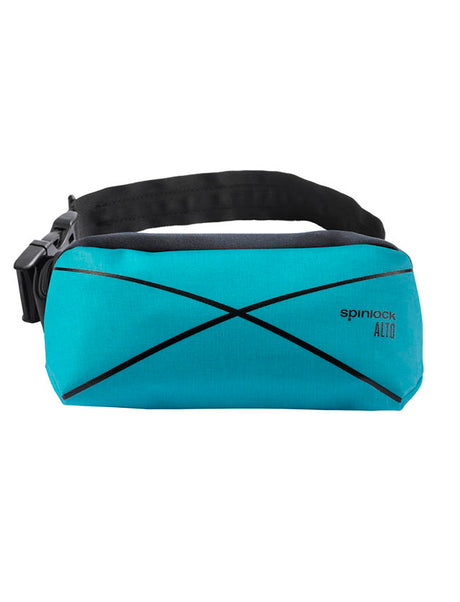
- 1 Canadian-approved lifejacket or PFD of appropriate size for each person on board
- Reboarding device (ladder, stirrup, loop, etc.) unless everyone is wearing a PFD/lifejacket while underway
- Buoyant heaving line at least 15 m (49’3”)
- Sound-signalling device (e.g., whistle)
- Navigation lights if operating after sunset/before sunrise or in restricted visibility; on very small craft a watertight flashlight can meet this requirement
- If the craft is over 6 m in length: carry six pyrotechnic distress signals (other than smoke)
Canoes, Kayaks & Rowboats (typical open-hull designs)
- 1 Canadian-approved PFD or lifejacket per person
- Buoyant heaving line at least 15 m
- Bailer or manual bilge pump
- Sound-signalling device (whistle or horn)
- Watertight flashlight (also satisfies nav-light requirement for very small craft at night/low visibility)
- If the craft is over 6 m: six pyrotechnic distress signals (other than smoke)
Rowing Shells & Racing Craft
Designed for speed with minimal freeboard; some items are impractical.
- 1 Canadian-approved PFD or lifejacket per person
- Sound-signalling device (whistle)
- Other items (e.g., bailer/pump) may be exempt if the shell cannot hold enough water to capsize or has sealed, non-accessible compartments.
Key Exceptions & Notes
- Wearing PFDs: If every person on a paddleboat, watercycle, or kayak is wearing a Canadian-approved PFD/lifejacket, the only equipment required is a sound-signalling device and a watertight flashlight.
- Flares: Pyrotechnic distress signals are not required when operated on rivers/canals/lakes where you can never be more than 1 NM from shore, or for craft without sleeping quarters that are competing in (or preparing for) an official event.
- Bailer/Pump: Not required if the boat cannot hold enough water to capsize, or has sealed, non-accessible watertight compartments.
- Navigation lights: For small human-powered craft and sailing vessels under 7 m, a watertight flashlight can satisfy the nav-light requirement when operating at night or in restricted visibility.
Smart Extras (Highly Recommended)
- Compact first-aid kit and thermal blanket
- Dry bag with spare layers and snacks
- Phone in waterproof case or VHF (coastal trips)
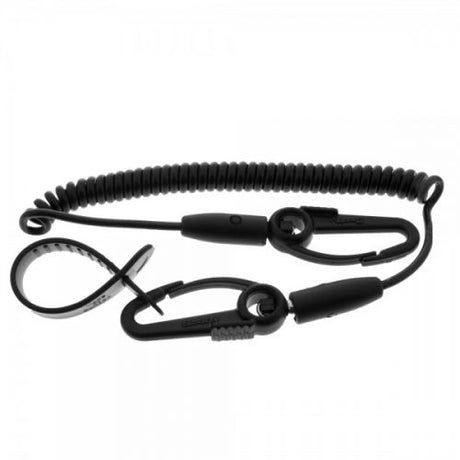
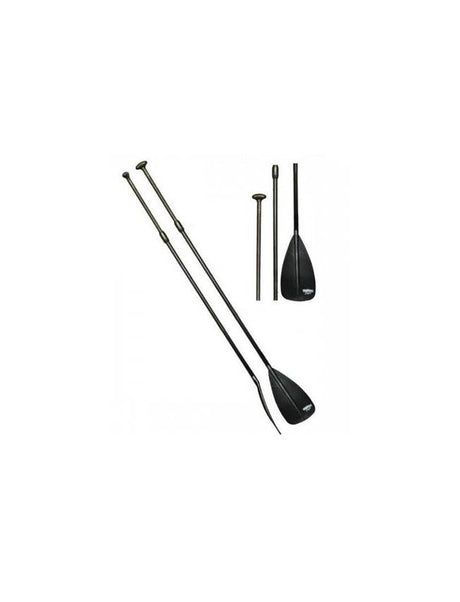
- Spare paddle/SUP leash and repair kit
- Additional flashlight and batteries
Grab the essentials in our Marine Safety Equipment collection and Life Jackets & PFDs.
Before You Launch
Keep required gear on board, in good working order, and readily accessible. Regulations are enforced by RCMP and local agencies across Canada, including BC and Vancouver Island. A whistle and flashlight are small, inexpensive items that make a big difference.
Disclaimer: This summary reflects Transport Canada rules for human-powered pleasure craft and is provided for general guidance. Always verify the latest regulations for your vessel and operating area.