

Categories


-

-
Ronstan
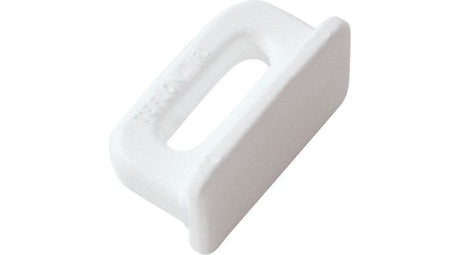
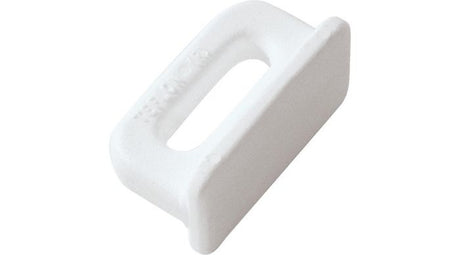
Ronstan Sail Slide 16mm (5/8") wide X 32mm (1-1/4") long
Regular price $5.99 CADUnit price /Unavailable -
-
-
 New arrival
 -
-
 Sold out
 -
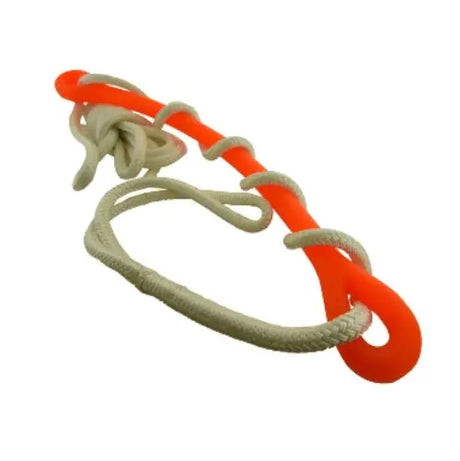
The Perfect Bungee
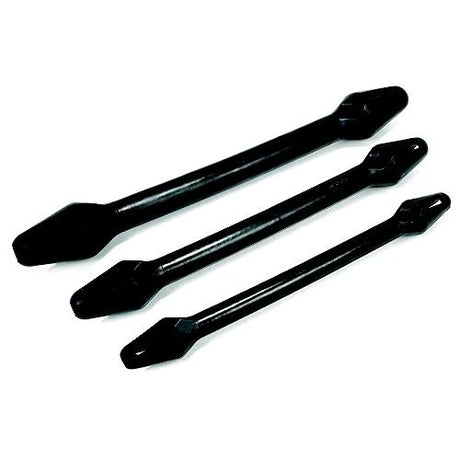
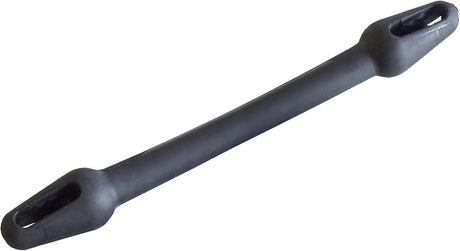
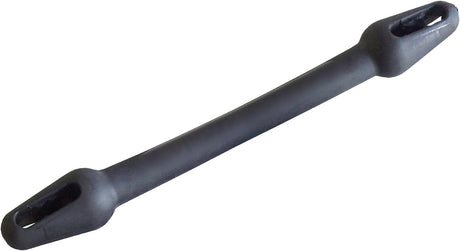
The Perfect Bungee - Mooring Snubber
Regular price $48.99 CADUnit price /Unavailable -
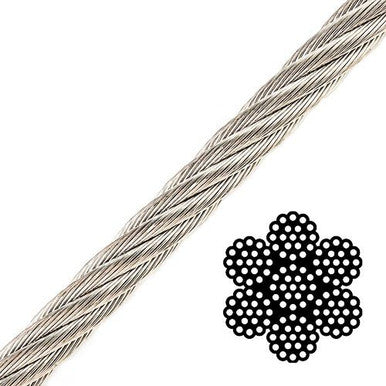
Transat
Transat Stainless Steel Wire Rope – 7x19 Construction (Multiple Sizes)
Regular price From $0.49 CADUnit price /Unavailable -
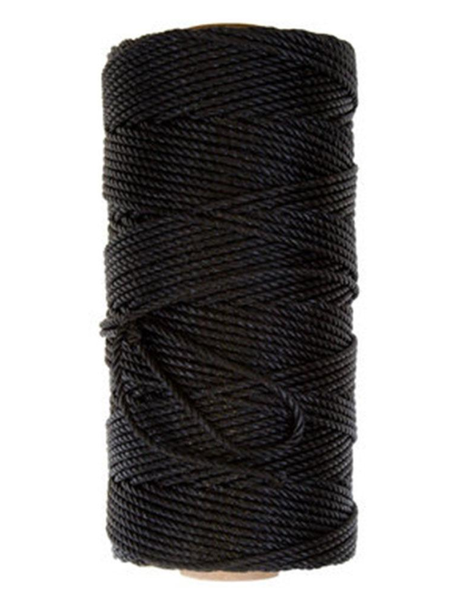
Trotac Marine
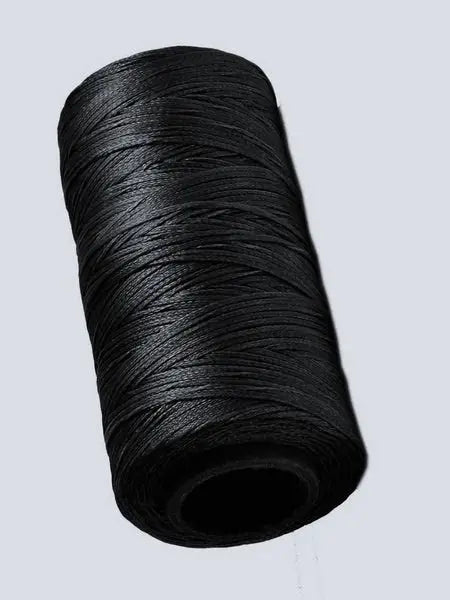
Trotac Marine Tarred Seine Twine
Regular price From $24.99 CADUnit price /Unavailable -
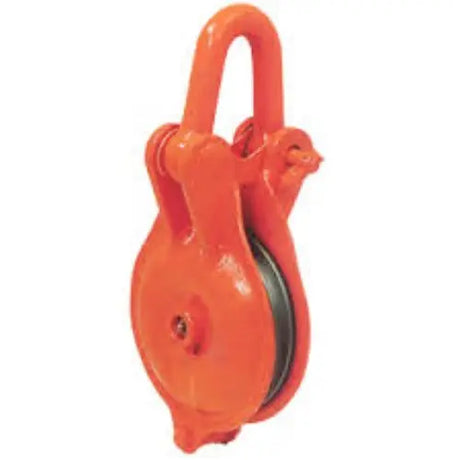
Utility
Utility Snatch Block with Grease Nipple
Regular price From $39.99 CADUnit price /Unavailable -
 Sold out
 -
-
 $13.00 off
Victory
Sale price From $29.99 CAD Regular price $42.99Unit price /Unavailable -
 New arrival
Victory
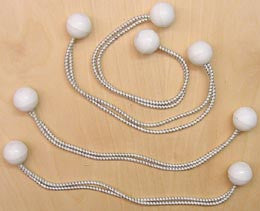
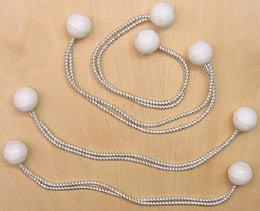
Victory MH5104040 Sail Ties with Balls – 6-Pack
Regular price $21.99 CADUnit price /Unavailable -
-
-
-
 Sold outNew arrival
 -

Frequently Asked Questions
Q. What sailing hardware does The Harbour Chandler carry?
The Harbour Chandler stocks a wide range of sailing hardware including blocks, winches, cam cleats, T-tracks, genoa cars, furling drums, rudder pintles and gudgeons, shroud cleats, and high-load eyes from trusted brands like Harken, Barton, and Andersen.
Q. What are sailing blocks used for?
Sailing blocks are low-friction pulleys used to redirect lines such as halyards, sheets, and control lines. They reduce the effort needed to trim sails and manage rigging, and come in fixed, swivel, fiddle, and cam cleat configurations depending on the application.
Q. What is the difference between a single block and a fiddle block?
A single block has one sheave and redirects a single line, while a fiddle block has two sheaves stacked vertically, allowing two lines to run in parallel. Fiddle blocks are commonly used in mainsheet and vang systems where mechanical advantage is needed.
Q. What is a cam cleat and when should I use one?
A cam cleat uses spring-loaded jaws to grip a line instantly and release it with an upward pull. They're ideal for halyards, sheets, and control lines where quick adjustments are needed — popular on dinghies, day boats, and cruising yachts.
Q. What is a self-tailing winch?
A self-tailing winch automatically grips the line as you crank, eliminating the need for a second crew member to tail the sheet. Andersen self-tailing winches, like the #12ST in stainless steel, are a premium choice for solo sailors and shorthanded crews.
Q. What is a genoa car and T-track used for?
A genoa car slides along a T-track mounted on deck to adjust the lead angle of the genoa sheet, which directly affects sail shape and performance. Barton's 25mm and 32mm T-track systems are compatible with a range of cars and suitable for boats up to 40 ft.
Q. What is a furling drum used for on a sailboat?
A furling drum is the lower component of a headsail furling system, allowing you to roll the jib around the forestay for easy storage and reefing. The Barton 95mm furling drum is designed for dinghies, dayboats, and small sailboats, with a rated sail area of 100 sq ft and a safe working load of 554 kg.
Q. What is the difference between a rudder pintle and gudgeon?
A pintle is the pin that extends from the rudder, while the gudgeon is the socket mounted on the transom that the pintle slots into. Together they form the hinge system for the rudder. Barton's stainless steel pintles and gudgeons are built for dinghies and small sailboats.
Q. Can I buy sailing hardware in Canada at The Harbour Chandler?
Yes — The Harbour Chandler is a Canadian marine retailer stocking quality sailing hardware from Harken, Barton, and Andersen. Whether you're rigging a dinghy on the Salish Sea or outfitting a cruiser for the Inside Passage, we've got the gear to keep you sailing.
Q. What sail repair tape works on wet or damp sails?
Life Safe Sail Patch Repair Tape is designed to bond to damp sails with its aggressive UV-stabilized adhesive. It's transparent, tear-resistant, and 3" wide x 15' long — a must-have for any offshore or coastal sailing kit.


